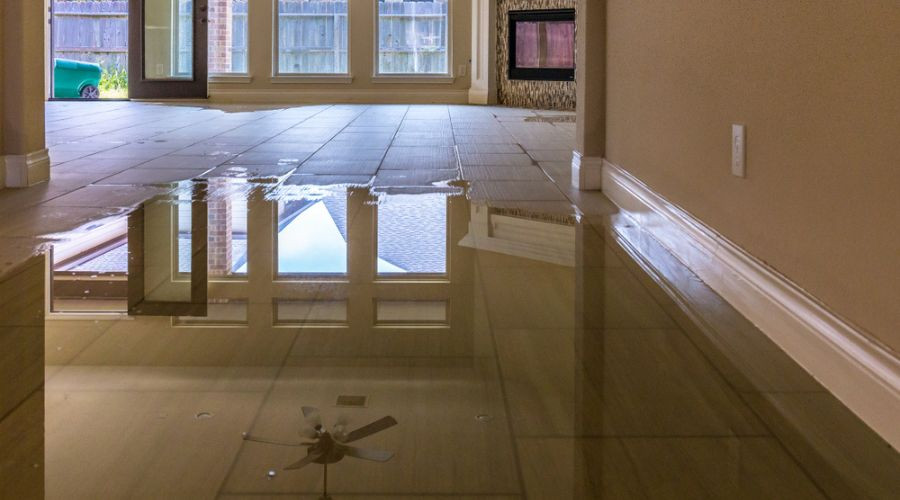

Central Texas has a weather personality unlike anywhere else in the country. Summers are long and brutal, winters are mild but occasionally punctuated by severe ice storms, and spring is a season of extremes — beautiful wildflower blooms and violent thunderstorms that can drop several inches of rain in a matter of hours. For homeowners in the Austin metro and surrounding communities, spring flooding is not a remote possibility. It is a recurring reality that requires active preparation.
This article explains why Central Texas floods the way it does, what specific steps homeowners can take before storm season to reduce their risk, and what to do in the critical hours and days after a flood event.
Why Central Texas Floods So Severely
Central Texas sits at the heart of what meteorologists call Flash Flood Alley — a corridor stretching from Del Rio northeast through Austin and San Antonio that experiences some of the highest flash flood frequency in North America. Several geographic and meteorological factors combine to create this risk.
The Edwards Plateau, which borders the Hill Country to the west of Austin, is composed of thin soil over limestone bedrock. When heavy rain falls on this terrain, the water has almost nowhere to go — it cannot absorb into the rock, so it runs off rapidly into rivers and creeks that drain toward the east. The Pedernales, Blanco, Colorado, and Onion Creek watersheds can rise from normal levels to catastrophic flood stage in a matter of hours when significant rain falls upstream.
The clay soils that dominate the Austin area east of the Balcones Escarpment compound the problem. Clay absorbs water slowly and becomes nearly impermeable when saturated, meaning that even moderate rainfall on already-wet ground produces significant runoff. Neighborhoods built in low-lying areas near creeks — including many established Austin neighborhoods — are particularly vulnerable.
Spring also brings the highest frequency of severe thunderstorm systems to the region. The collision of warm, moist air from the Gulf of Mexico with cold fronts pushing down from the north creates the atmospheric instability that produces the intense, localized rainfall events that cause flash flooding. A storm that drops three inches of rain in 90 minutes over a specific watershed can cause flooding even when the broader region has received little rain.
Before the Season: Preparation Steps That Matter
The most effective flood preparation happens before any storm is in the forecast. These steps reduce the risk of water entering your home and ensure you are ready to respond quickly if it does.
Drainage and Exterior Maintenance. Gutters and downspouts are your home's first line of defense against water intrusion. Clogged gutters cause water to overflow and pool against the foundation, where it can seep into the structure. Clean gutters at least twice a year — after the fall leaf drop and before spring storm season. Extend downspouts at least six feet from the foundation and ensure they discharge water away from the house, not toward it.
Grade the soil around your foundation so it slopes away from the house at a rate of at least six inches over ten feet. Over time, soil settles and this slope can reverse, directing water toward the foundation instead of away from it. Window wells on basement or below-grade windows should have covers and proper drainage.
Know Your Flood Risk. The Federal Emergency Management Agency (FEMA) maintains flood maps for every county in Texas. You can look up your property's flood zone designation at FEMA's Flood Map Service Center. Properties in Zone AE or Zone X (shaded) have elevated flood risk and may be required to carry flood insurance if they have a federally backed mortgage. Even properties outside designated flood zones can flood — roughly 25% of flood insurance claims come from properties outside high-risk zones.
The City of Austin also maintains its own flood maps and has a Flood Early Warning System (FEWS) with stream gauges throughout the watershed. Signing up for Wireless Emergency Alerts and monitoring the National Weather Service Austin/San Antonio office during storm season provides real-time flood watches and warnings.
Document Your Property. Before storm season, walk through your home and create a video inventory of your belongings, noting serial numbers and approximate values for major items. Store this documentation in cloud storage or a location outside your home. This documentation is invaluable when filing an insurance claim after a flood.
Review Your Insurance Coverage. Standard homeowner's insurance policies do not cover flood damage. Flood insurance is a separate policy available through the National Flood Insurance Program (NFIP) or private insurers. There is typically a 30-day waiting period before a new flood insurance policy takes effect, so purchasing coverage cannot wait until a storm is approaching. Review your policy annually and ensure your coverage limits reflect current replacement costs.
During a Flood Event: Safety First
When a flood watch or warning is issued for your area, the priority is safety — not property protection. No possession is worth a life.
Never drive through flooded roadways. The Texas Department of Transportation's "Turn Around, Don't Drown" campaign exists because an astonishing number of flood fatalities in Texas involve vehicles. Just six inches of moving water can knock a person down; twelve inches can carry away a small vehicle; two feet of water can sweep away most cars and trucks. If you encounter a flooded road, turn around.
If water is rising around your home, move to the highest floor and avoid contact with floodwater, which may be contaminated with sewage, chemicals, and other hazardous materials. Turn off electricity at the main breaker if you can do so safely and without standing in water. Do not use electrical appliances in wet areas.
Document rising water levels with photographs and videos if you can do so safely. This documentation supports your insurance claim and helps the adjuster understand the extent and source of the flooding.
After the Flood: The Critical 72 Hours
The 72 hours following a flood event are the most consequential for your home's long-term condition. The decisions made in this window determine whether the damage is limited to what the water itself caused, or whether secondary damage from mold, structural deterioration, and contamination compounds the original loss.
Do not re-enter your home until local authorities have confirmed it is safe to do so. Floodwater can compromise structural integrity, and electrical hazards may not be visible. Once cleared to return, document all damage thoroughly before removing any water or debris. Photograph every room, every damaged item, and every visible water line on walls.
Contact your insurance company immediately to report the loss and begin the claims process. Ask about emergency living expenses coverage if your home is uninhabitable. Then call a professional water mitigation company.
Why Professional Mitigation Is Essential After Flooding
The most common mistake homeowners make after a flood is attempting to dry the home themselves using consumer fans and dehumidifiers. This approach fails for a predictable reason: it dries the air and the surface of materials while leaving the interior of walls, subfloor, and insulation wet. Mold begins growing in these hidden wet areas within 24 to 48 hours, and by the time it becomes visible on surfaces it has typically been colonizing the structure for days or weeks.
Professional water mitigation uses industrial-grade equipment — truck-mounted extractors, desiccant and refrigerant dehumidifiers, directed air movers — and daily moisture monitoring with calibrated meters to dry structural materials to IICRC S500 standard. This standard specifies acceptable moisture content levels for different material types and is the benchmark insurance companies use to determine whether a structure has been properly dried.
Texas Restoration Group responds to flood damage calls throughout Central Texas 24 hours a day. We can typically be on-site within 59 minutes of your call, and we work directly with all major insurance carriers to document the damage and manage the claims process.
When to Call Texas Restoration Group
If your home experiences any flooding — whether from a creek overflow, storm drain backup, or water intrusion through the foundation — call (512) 883-7364 immediately. We serve Austin, Round Rock, Cedar Park, Pflugerville, Georgetown, Kyle, Buda, and surrounding communities throughout Central Texas, and we are available around the clock for flood emergencies.
Need Professional Restoration Help?
Texas Restoration Group is available 24/7 for emergency restoration services in Central Texas.