IICRC S500 Certified · Austin, TX · 24/7
Water Mitigation & Restoration
Fast, certified response to water damage from flooding, burst pipes, sewer backups, and appliance failures. The single most critical factor in limiting damage is time — we respond in under 59 minutes.
14,000
people experience a water damage emergency every day in the US
$11,650
average cost of a home water damage insurance claim
250 gal
of water can leak from a 1/8-inch pipe crack in a single day
8.7 yrs
average lifespan of a washing machine supply hose before failure
IICRC S500 Classification
Not All Water Damage Is the Same
The IICRC S500 Standard classifies water damage into three categories based on contamination level. The category determines the required cleanup protocol, PPE, and whether affected materials can be dried in place or must be removed.
Clean Water
Water from a sanitary source with no substantial risk of causing sickness or discomfort. Requires prompt extraction and drying but poses minimal contamination risk.
Common Sources
Our Protocol
Extract, dry in place, monitor moisture levels daily until drying goals are met.
Grey Water
Water with significant contamination that could cause discomfort or illness if ingested. Requires antimicrobial treatment in addition to extraction and drying.
Common Sources
Our Protocol
Extract, apply antimicrobial treatment, dry affected materials. Porous materials may require removal.
Black Water
Grossly contaminated water containing pathogens that can cause serious illness. Requires full PPE, containment, and hazmat-level remediation protocols.
Common Sources
Our Protocol
Full containment, PPE required, extract, remove all porous materials, apply EPA-registered antimicrobials, air scrub.
Category Degradation — Time Is Critical
Category 1 (clean) water degrades to Category 2 within 24–48 hours, and to Category 3 within 72 hours if left untreated. Microbial growth begins in as little as 24 hours. This is why TRG responds in under 60 minutes — every hour of delay increases contamination level, remediation cost, and health risk.
Why Choose TRG for Water Damage?
- 24/7 emergency response in under 59 minutes
- IICRC S500 certified technicians
- Industrial extraction, air movers & LGR dehumidifiers
- Daily moisture monitoring with documented readings
- Direct insurance billing — we work with your adjuster
- Pre-demolition hazmat testing on every job
- EPA-registered antimicrobial treatments
- Full structural restoration after drying is confirmed
Common Water Damage Causes
- Burst or frozen pipes
- Flooding from heavy rain or storms
- Sewer backups (Category 3 — requires immediate response)
- Washing machine, dishwasher, or icemaker supply line failure
- Water heater failure (75% fail before age 12)
- Roof leaks from hail or wind damage
- HVAC condensate line clogs
- Foundation cracks or slab leaks
IICRC S500 Five Principles
Our Water Mitigation Process
Every step follows the IICRC S500 Standard — the industry's definitive guide for professional water damage restoration. Our process is designed to be transparent, documented, and verifiable at every stage.
Emergency Response & Safety Assessment
We arrive in under 59 minutes, 24/7. Per IICRC S500 Principle 1, our first responsibility is to identify and eliminate safety hazards before any work begins — including electrical risks, structural instability, and contamination concerns. We document everything with photos and moisture readings before touching a single material.
Inspection, Documentation & Water Classification
We determine the water category (Clean, Grey, or Black) and class (1–4 based on evaporation rate), then track moisture migration from its source in every direction to establish the full perimeter of damage. Thermal imaging and moisture meters document what is wet and how wet — this data drives every drying decision that follows.
Water Extraction & Stabilization
We immediately extract standing water using industrial-grade truck-mount and portable extraction equipment. Removing the easy water first dramatically reduces drying time and limits secondary damage. Affected contents are moved, protected, or inventoried as needed.
Pre-Demolition Hazmat Testing
Before any affected materials are removed, we assess for hazardous materials. Per OSHA asbestos guidelines, we treat all homes as potentially containing asbestos, and homes built before 1970 may contain lead. If testing is required to protect our crew and your family, we coordinate that before demolition proceeds.
Demolition & Antimicrobial Treatment
Once clearance is confirmed, we carefully remove water-damaged materials — drywall, flooring, insulation — running HEPA air scrubbers throughout. EPA-registered antimicrobial treatments are applied to all affected structural surfaces to prevent microbial colonization during the drying phase.
Drying & Daily Monitoring
We deploy professional-grade dehumidifiers, high-velocity air movers, and heat as needed. Our technicians return daily to take moisture readings and compare them against the established drying goal. If progress is not on track, we adjust equipment — we never assume drying is happening without data to confirm it.
Final Inspection & Restoration
Only after all materials have reached their dry standard — confirmed by moisture meter readings — is equipment removed. We then restore damaged materials and return your property to pre-loss condition, coordinating with your insurance adjuster throughout.
Our Work

Flood Water Intrusion

On-Site Emergency Response

Water-Damaged Ceiling

Active Drying Equipment
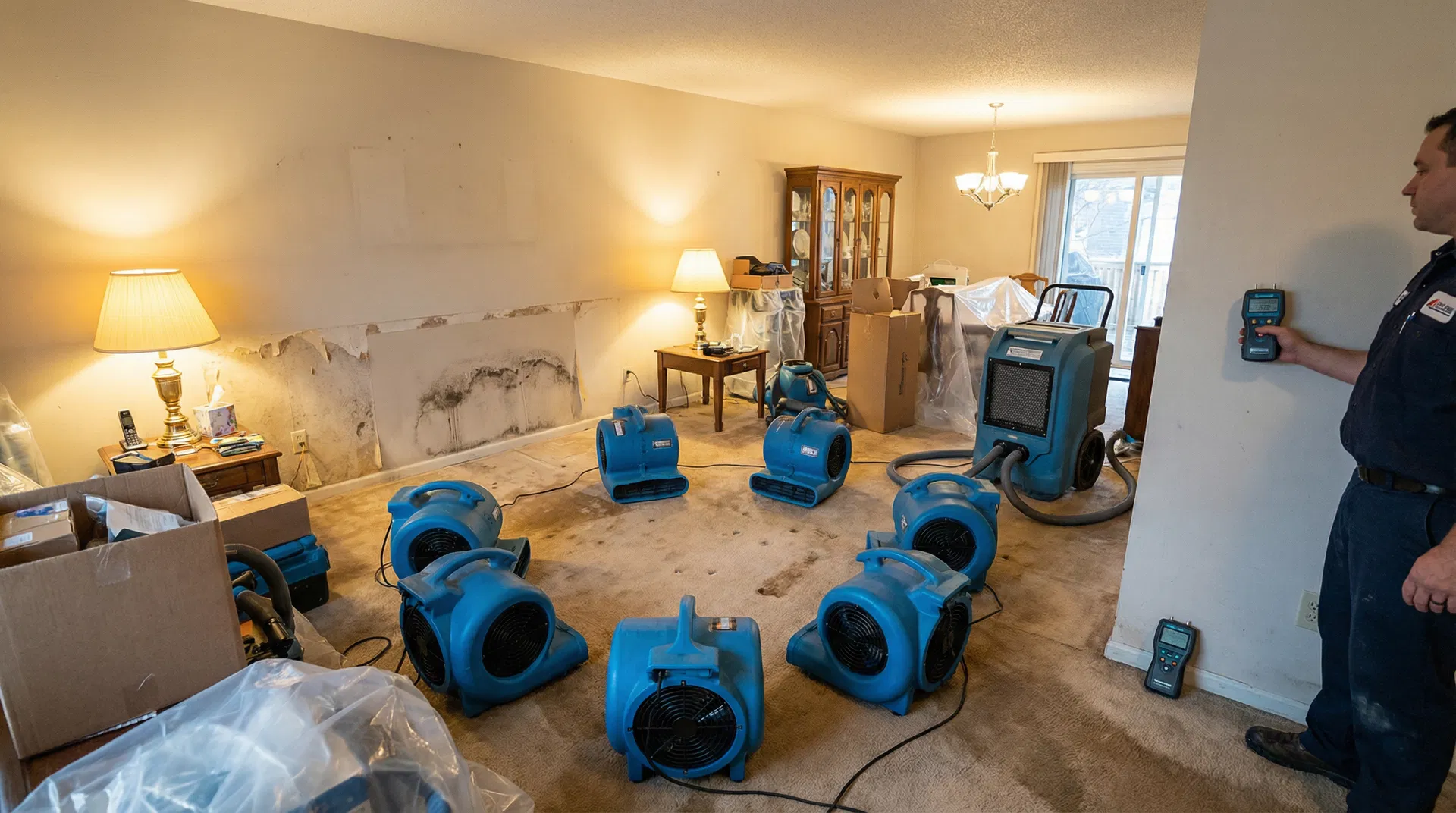
Air Movers Deployed for Structural Drying
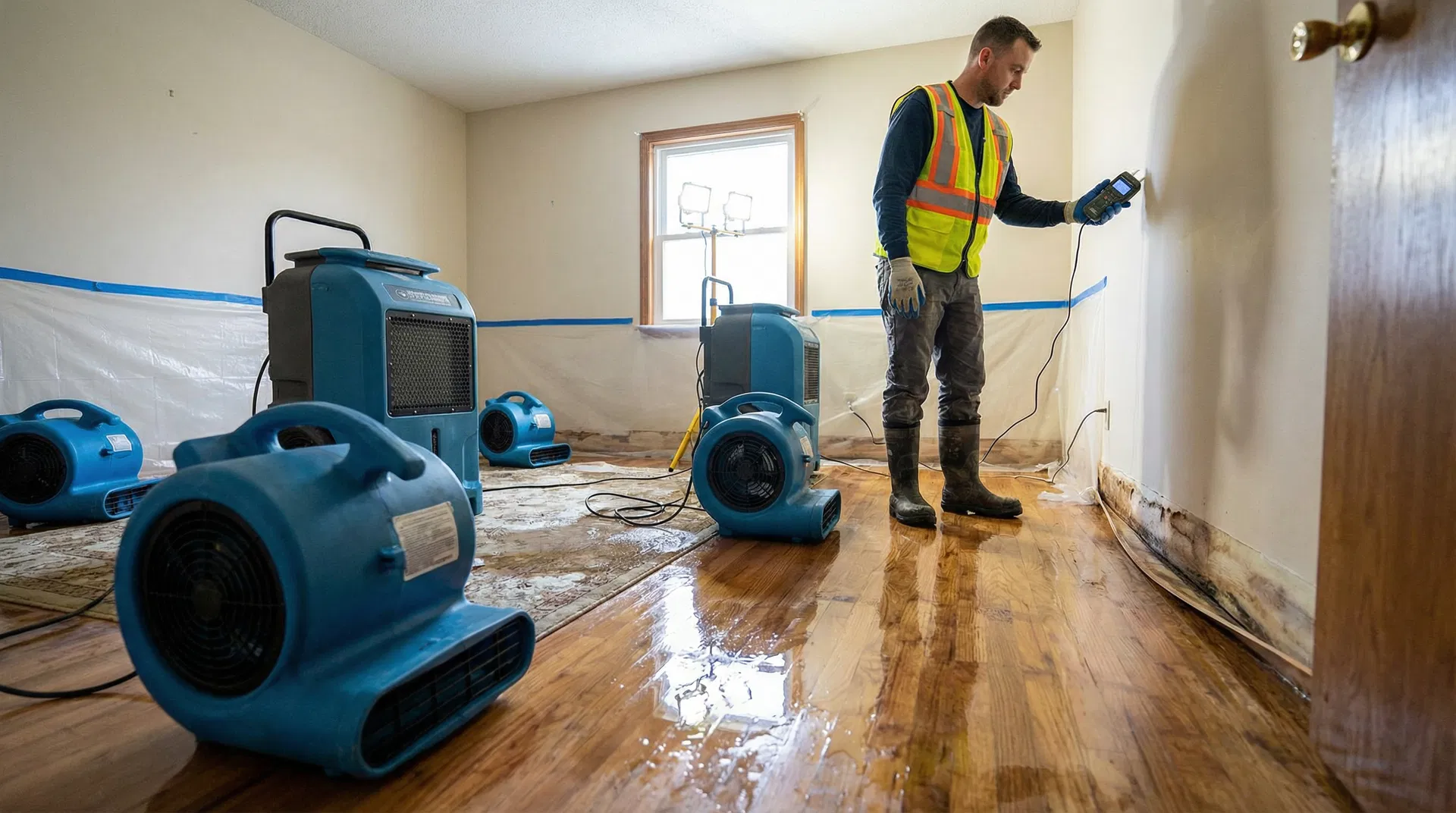
Active Drying Equipment On-Site

Standing Water in Rooms
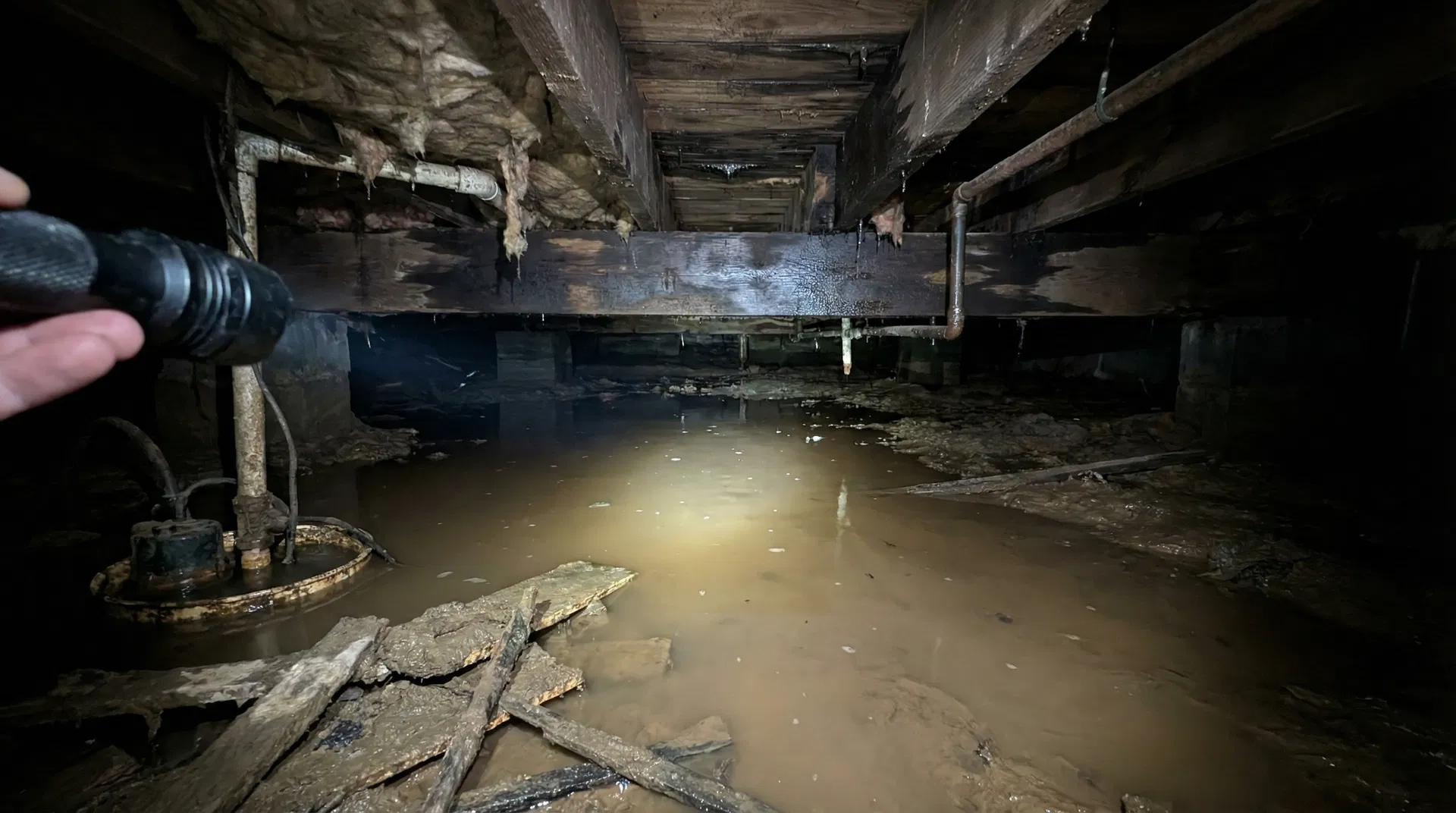
Crawlspace Water Intrusion

Crawlspace Pipe and Water Damage
We Work With Your Insurance
How to File a Water Damage Claim
Once you have your claim number and adjuster's contact information, TRG takes it from there — handling documentation, photos, and direct communication with your adjuster.
Stop the Water
Shut off the main water valve or contact a plumber to stop the active leak and minimize further damage.
Contact Your Insurer
Call your insurance company's claims line or file online. Have your policy number ready.
Log the Damage
Record all damage to your dwelling and personal belongings. Gather receipts for damaged items.
Gather Evidence
Take photos and videos of all damage before any cleanup begins — this is critical for your claim.
Call TRG
We document everything professionally, coordinate with your adjuster, and handle the restoration from start to finish.
Water Damage Prevention Tips
Most water damage is preventable. These steps can save you thousands in repair costs and the stress of a major water loss.
Know where your main water shutoff valve is — make sure every adult in the household can operate it quickly.
Replace washing machine, dishwasher, and icemaker hoses at the first sign of wear — use braided stainless steel hoses for maximum durability.
Have a plumber inspect and flush your water heater annually. 75% of water heaters fail before age 12.
Install water leak alarms under sinks, behind appliances, and near the water heater.
Pay attention to your plumbing: noisy pipes, moisture on walls or floors, and rust-stained water are early warning signs.
Have your roof inspected after any hail or high-wind event — roof leaks are a leading cause of attic water intrusion in Austin.
Fix drips and small leaks immediately. A faucet dripping once per second wastes over 3,000 gallons per year.
Response Timeline
Immediately
Call us at (512) 883-7364 — our emergency line is answered 24/7
Within 59 Minutes
Our team arrives for safety assessment, documentation, and water extraction
24–48 Hours
Equipment deployed; daily moisture monitoring begins
3–5 Days
Average job reaches drying goal with our thermal drying technology
1–2 Weeks
Restoration work completed; final inspection and insurance documentation delivered
Don't Wait — Every Hour Matters
Mold can begin growing within 24–48 hours of water intrusion.
Available 24/7 in Austin and Central Texas