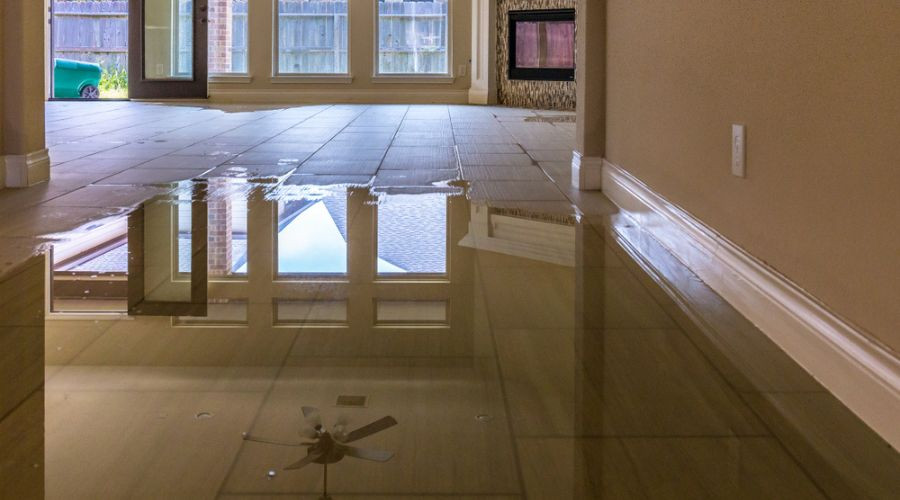

Property damage is stressful enough on its own. Navigating the insurance claims process on top of it — while also trying to protect your home from further damage and figure out where your family is going to sleep — can feel genuinely overwhelming. The homeowners who fare best through this process are those who understand how it works before they need it, and who have a professional restoration partner helping them document and advocate for the full scope of their loss.
This guide walks through the complete insurance claims process for property damage, explains the decisions that matter most, and describes how Texas Restoration Group works alongside homeowners throughout Central Texas to ensure their claims reflect the true cost of restoring their homes.
Understanding Your Policy Before You Need It
The single most valuable thing a homeowner can do before any damage occurs is to read and understand their homeowner's insurance policy. Most people never look at their policy until they need to file a claim, and by then it is too late to address gaps in coverage.
Standard homeowner's insurance policies cover damage from fire, smoke, wind, hail, lightning, and sudden and accidental water damage (such as a burst pipe). They do not cover flood damage — water that enters the home from the ground up, including storm surge, creek overflow, and storm drain backup. Flood insurance is a separate policy available through the National Flood Insurance Program or private insurers, and there is typically a 30-day waiting period before coverage takes effect.
Key policy terms to understand include your deductible (the amount you pay out of pocket before insurance covers the rest), your dwelling coverage limit (the maximum the policy will pay to repair or rebuild the structure), your personal property coverage (for damaged belongings, which may be on an actual cash value or replacement cost value basis), and your additional living expenses (ALE) coverage, which pays for temporary housing and increased living costs if your home is uninhabitable during repairs.
Texas homeowners should also be aware that many policies now include a separate, higher deductible for wind and hail damage — often expressed as a percentage of the dwelling coverage value rather than a flat dollar amount. A 1% wind/hail deductible on a $400,000 home means you pay the first $4,000 of any wind or hail claim out of pocket.
Step 1: Protect the Property and Document the Damage
After a damage event, your first obligation under virtually every homeowner's insurance policy is to take reasonable steps to prevent further damage. This is called the duty to mitigate, and failing to fulfill it can give your insurance company grounds to deny portions of your claim.
In practice, this means boarding up broken windows, placing tarps over damaged roofing, extracting standing water, and taking other emergency protective measures. It does not mean completing permanent repairs before the adjuster has assessed the damage — it means preventing the situation from getting worse.
Before any cleanup or protective work begins, document the damage as thoroughly as possible. Walk through every affected area with your phone and record video, narrating what you see. Take still photographs from multiple angles. Photograph every damaged item, including serial numbers and model information where visible. Note the date, time, and cause of the damage. This documentation is the foundation of your claim, and the more thorough it is, the more effectively it supports your case.
Step 2: Contact Your Insurance Company Promptly
Most homeowner's insurance policies require you to report a loss promptly — some specify a timeframe, others simply require notification as soon as reasonably possible. Delayed reporting can complicate your claim, particularly if the delay allowed additional damage to occur that could have been prevented.
When you call to report the loss, have your policy number ready. Provide a factual description of what happened and what was damaged. Ask for a claim number and the name of the adjuster assigned to your claim. Ask about the timeline for the adjuster's inspection and what documentation you should prepare.
Get the name and contact information of everyone you speak with at the insurance company, and follow up any significant conversations with an email summarizing what was discussed. Written records of your communications protect you if there are later disputes about what was agreed.
Step 3: Understand the Adjuster's Role
The insurance adjuster who visits your property works for your insurance company. Their job is to assess the damage and determine what the policy covers — which is not the same as determining what it costs to fully restore your home. Adjusters are generally competent professionals, but they are working within the constraints of their employer's interests, and they may not identify all damage or may apply coverage interpretations that are not in your favor.
Be present during the adjuster's inspection. Walk through every area of damage with them and point out everything you have documented. Do not minimize or exaggerate — simply ensure that nothing is overlooked. Ask the adjuster to explain their assessment and what they are and are not including in their estimate.
If you believe the adjuster's assessment is incomplete or their coverage interpretation is incorrect, you have the right to dispute it. You can request a re-inspection, provide additional documentation, or hire a public adjuster — an independent professional who represents your interests in the claims process, typically for a percentage of the settlement.
Step 4: Get a Professional Restoration Estimate
Your insurance company's estimate and a professional restoration company's estimate often differ, sometimes significantly. Insurance estimates are generated using software (most commonly Xactimate) that prices repairs based on regional averages, but actual costs in the current market may be higher, and the scope of damage identified by a trained restoration professional may be more comprehensive than what the adjuster documented.
Texas Restoration Group provides detailed, itemized estimates in the format insurance companies require. Our estimates are based on the same Xactimate platform that adjusters use, which facilitates direct comparison and reduces disputes. We document moisture readings, affected material quantities, and required drying and remediation procedures in a format that supports the claim rather than complicating it.
When our estimate differs from the insurance company's estimate, we work directly with the adjuster to reconcile the difference. In most cases, discrepancies can be resolved through documentation and direct communication without requiring formal dispute processes.
Step 5: Understand Actual Cash Value vs. Replacement Cost Value
One of the most consequential and least understood aspects of property insurance claims is the difference between actual cash value (ACV) and replacement cost value (RCV) settlement.
Actual cash value is the depreciated value of damaged property — what it was worth at the time of the loss, accounting for age and wear. If your 15-year-old roof is damaged by hail, an ACV settlement pays you what a 15-year-old roof is worth, which may be a fraction of what a new roof costs. Replacement cost value pays what it actually costs to replace the damaged property with new materials of like kind and quality.
Most modern homeowner's insurance policies include replacement cost value coverage for the dwelling structure, but some older policies or lower-cost policies use actual cash value. Personal property coverage may be ACV or RCV depending on the policy. Understanding which basis applies to your claim affects your expectations significantly.
With RCV policies, the insurance company typically pays the ACV amount initially and releases the remaining "recoverable depreciation" after the repairs are completed and documented. This means you may need to fund the gap between the ACV payment and the actual repair cost until the work is done and you submit for the depreciation holdback.
Step 6: Review the Settlement Offer Carefully
When you receive a settlement offer, review it line by line against your documentation and your restoration contractor's estimate. Verify that all damaged areas are included, that the quantities of affected materials are accurate, that the scope of work matches what your contractor has identified as necessary, and that the unit prices reflect current market rates.
Do not feel pressured to accept a settlement offer that does not fully cover the cost of restoring your home. You have the right to negotiate, and most insurance companies expect some back-and-forth on complex claims. If you believe the offer is significantly inadequate, consulting with a public adjuster or an attorney who specializes in insurance claims may be worthwhile.
How Texas Restoration Group Supports Your Claim
Texas Restoration Group has worked with every major insurance carrier operating in Texas and has extensive experience navigating the claims process on behalf of our customers. We provide comprehensive damage documentation from the first day on-site, submit estimates directly to your adjuster, communicate with the insurance company throughout the project, and handle the supplemental claim process when additional damage is identified during restoration.
Our goal is to ensure that your insurance claim reflects the true and complete cost of restoring your home to its pre-loss condition — not a negotiated minimum. We do not take shortcuts in the restoration process to fit within an inadequate settlement, and we advocate for our customers when insurance estimates fall short of what the work actually requires.
If you have experienced property damage and need help navigating the insurance claims process, call (512) 883-7364). We serve homeowners and businesses throughout Central Texas and are available 24 hours a day for emergency response and claims support.
Need Professional Restoration Help?
Texas Restoration Group is available 24/7 for emergency restoration services in Central Texas.