Storm Damage Restoration
Rapid response to wind, hail, and flood damage for homes and businesses in Austin and Central Texas — protecting your property and your family. 24/7 emergency response.
Complete Storm Recovery Services
- 24/7 emergency response
- Rapid damage assessment
- Emergency stabilization
- Insurance claim support
- Complete restoration
- Preventive measures
Types of Storm Damage We Handle
- • Wind damage and roof repairs
- • Hail damage assessment
- • Flooding and water damage
- • Tree removal and cleanup
- • Structural damage repair
- • Emergency tarping and boarding
Our Storm Restoration Process
Emergency Stabilization
We arrive quickly to tarp damaged roofs, board broken windows, and extract standing water — stopping further damage before the full assessment even begins.
Damage Assessment & Documentation
Our team conducts a thorough inspection of all storm-affected areas and prepares detailed photo documentation to support your insurance claim and define the full scope of repairs.
Pre-Demolition Hazmat Testing
Before any demolition begins, we test affected materials for asbestos, lead, and other hazardous substances per OSHA asbestos guidelines. This protects our crew and is required by law in many jurisdictions — we will not skip this step.
Debris Removal & Site Cleanup
After hazmat clearance, we safely remove fallen trees, damaged roofing, broken siding, and other debris. All materials are disposed of in compliance with local regulations.
Structural Repairs
We repair or replace damaged roofing, siding, windows, gutters, and structural framing — coordinating all trades to restore the integrity of your property.
Full Restoration
Interior and exterior finishes are restored to pre-storm condition, including drywall, insulation, paint, and flooring, leaving your home or business fully repaired.
What Most Homeowners Don't See
How a Roof Leak Becomes an Interior Disaster
In Central Texas, hail and high winds are the leading cause of roof damage — and most of the destruction happens silently, inside your attic, long before you notice a water stain on the ceiling.
Stage 1
Hail or Wind Breaches the Roof
A single hail storm can crack, dislodge, or granule-strip shingles across an entire roof plane. Even a small breach — a cracked ridge cap, a lifted flashing, or a missing shingle — is enough to let water in every time it rains.
Stage 2
Water Saturates the Attic
Water enters the attic first. Insulation absorbs moisture like a sponge, losing its R-value and becoming a breeding ground for mold within 24–48 hours. Roof sheathing (the plywood decking beneath the shingles) begins to swell, delaminate, and rot — often without any visible sign from inside the home.
Stage 3
Structural Members Are Compromised
Rafters, trusses, and collar ties absorb moisture over repeated rain events. Wood that stays wet long enough develops structural rot, weakening the very frame that holds your roof up. This is the stage most homeowners never see — until a rafter fails or a ceiling sags.
Stage 4
Water Migrates to Living Spaces
Once the attic insulation and sheathing are saturated, water follows the path of least resistance — down through ceiling drywall, along electrical wiring, and into wall cavities. The first visible sign is usually a brown water stain on the ceiling or bubbling paint, by which point significant hidden damage has already occurred.
Stage 5
Mold Colonizes Within 48 Hours
Warm, humid attics are ideal mold environments. Mold spores colonize wet insulation, sheathing, and framing rapidly — often spreading to HVAC ducts and into living areas before the homeowner is even aware of the roof leak. Once mold reaches the HVAC system, spores circulate throughout the entire home.
Stage 6
Electrical and HVAC Systems Are at Risk
Water running along ceiling joists reaches recessed lighting, junction boxes, and HVAC equipment stored in the attic. Wet electrical components create fire and shock hazards. HVAC air handlers exposed to moisture develop internal mold, degrading indoor air quality for the entire household.
Don't Wait for a Ceiling Stain
Had a Hail Storm Recently? Get Your Attic Inspected.
TRG performs post-storm attic assessments to identify hidden moisture intrusion, insulation saturation, and early-stage mold before they become costly structural repairs.
Schedule a Free Attic AssessmentBefore & After Gallery
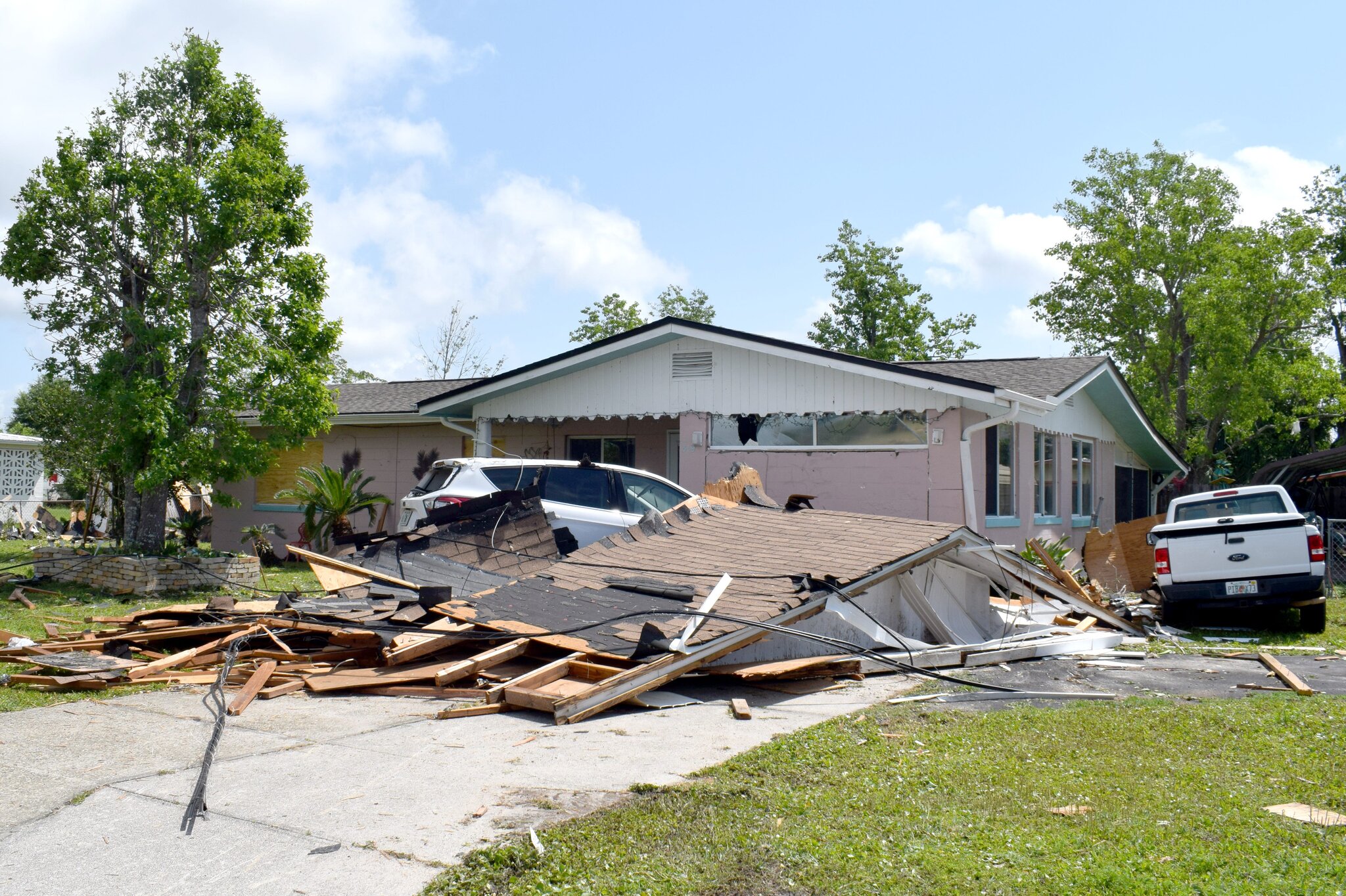
Storm Damage — Exterior Destruction
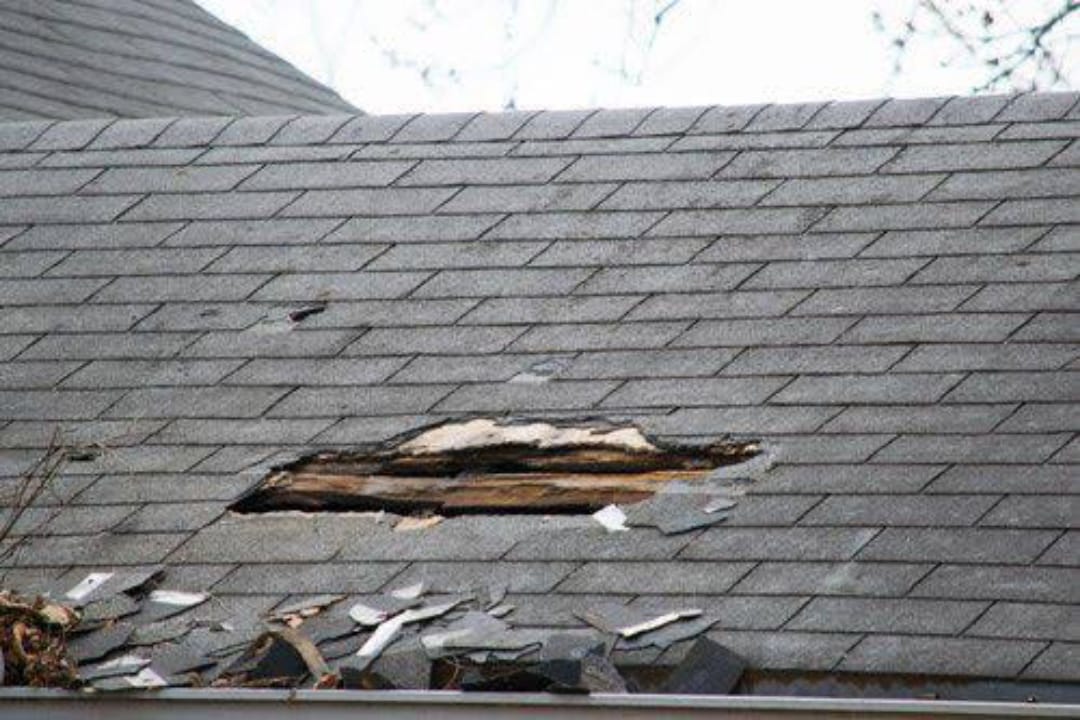
Hail Damage — Roof Puncture
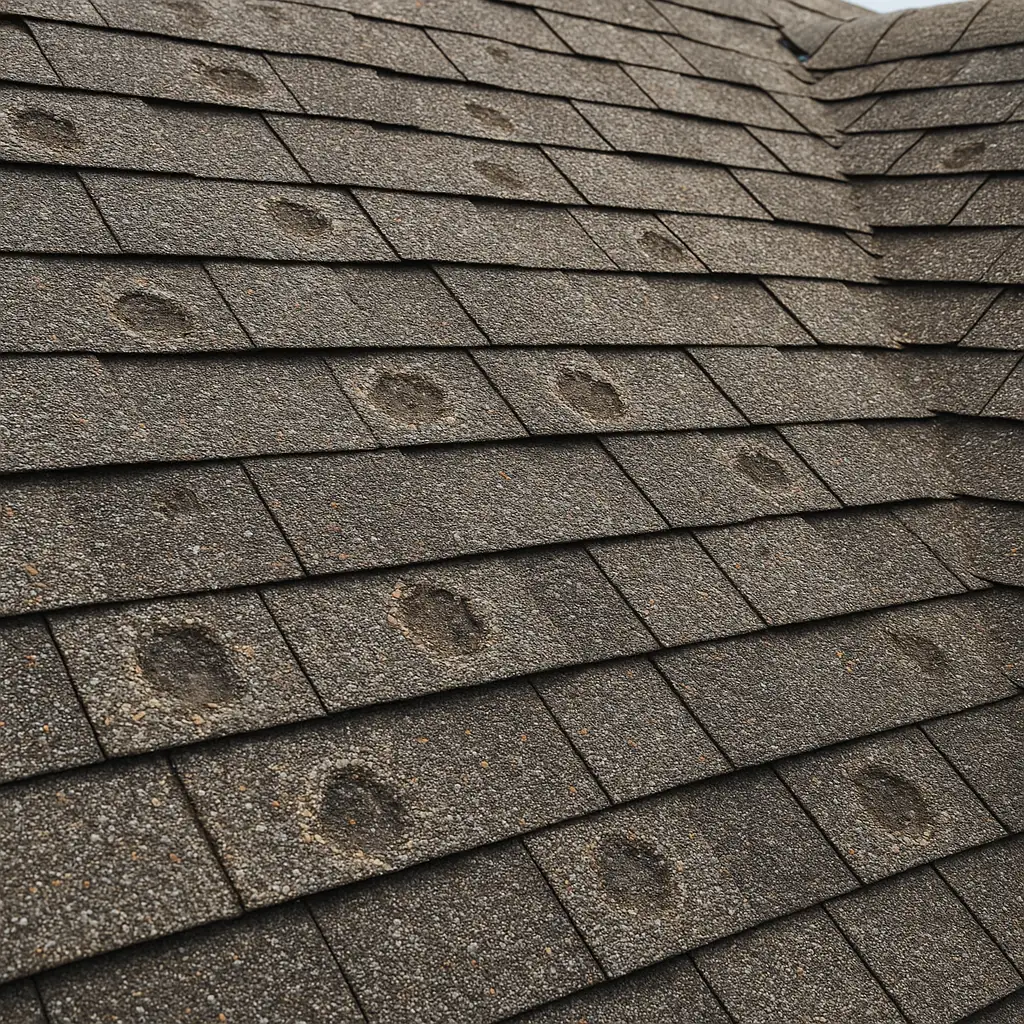
Hail Impact Dents on Roof
Why Choose TRG for Storm Damage?
Rapid Response
We understand that time is critical after a storm. Our team responds in under 59 minutes.
Expert Assessment
Certified professionals provide accurate damage assessment for insurance claims.
Complete Solutions
From emergency stabilization to full restoration, we handle everything.
What to Do After a Storm
- 1
Ensure your safety and the safety of your family - evacuate if necessary
- 2
Document all damage with photos and videos for insurance purposes
- 3
Call your insurance company to report the damage
- 4
Contact TRG immediately for emergency response and assessment
- 5
Avoid entering damaged areas until they have been assessed
- 6
Do not attempt repairs yourself - let professionals handle it